

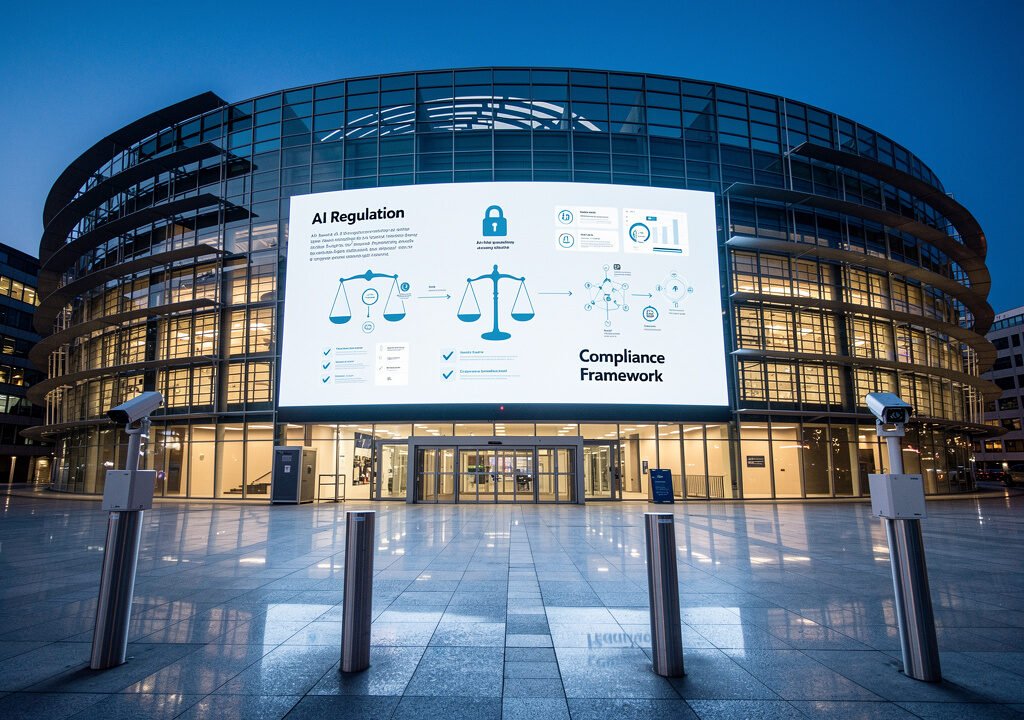
EU AI regulations have become the global benchmark for artificial intelligence governance in 2025. The landmark EU AI Act, which came into force this year, sets unprecedented standards for how AI systems can be developed and deployed across the European Union, with significant implications for global tech companies and developers.
Understanding the EU AI Act and Global Regulations
The comprehensive EU AI regulations framework introduces a risk-based approach to AI oversight. According to the European Commission, AI systems are categorized into different risk levels, from unacceptable to minimal risk, each requiring specific compliance measures.
Key Components of EU AI Regulations
- Prohibited AI Practices: Systems for social scoring and mass surveillance
- High-Risk Applications: AI in healthcare, transportation, and critical infrastructure
- Transparency Requirements: Mandatory disclosure of AI-generated content
- Compliance Framework: Regular audits and documentation requirements
Furthermore, these regulations significantly impact how companies develop and deploy AI solutions. Learn more about AI compliance requirements.
Global Impact and Industry Response
Major tech companies are rapidly adapting their AI development practices to meet these new standards. According to MIT Technology Review, organizations worldwide are using the EU framework as a blueprint for their own AI governance policies.
Implementing EU AI Regulations Globally
The ripple effect of EU regulations extends far beyond European borders. Companies must now:
- Establish robust AI governance frameworks
- Implement comprehensive risk assessment procedures
- Ensure transparency in AI decision-making
- Maintain detailed documentation of AI systems
Moreover, these requirements are reshaping how AI products are designed and marketed globally. Explore AI governance best practices.
Future Implications and Compliance Strategies
As organizations navigate these new regulatory requirements, several key trends are emerging:
- Increased investment in AI safety and ethics
- Development of AI compliance tools and frameworks
- Enhanced focus on explainable AI solutions
- Greater emphasis on data protection and privacy
Consequently, businesses must adapt their AI strategies to ensure long-term compliance and sustainability. Discover more about AI ethics and compliance.
Conclusion
The EU AI regulations represent a pivotal moment in artificial intelligence governance. As these standards continue to evolve, organizations must stay informed and agile in their approach to AI development and deployment. The future of AI innovation will increasingly depend on balancing technological advancement with regulatory compliance.
















No Comments