


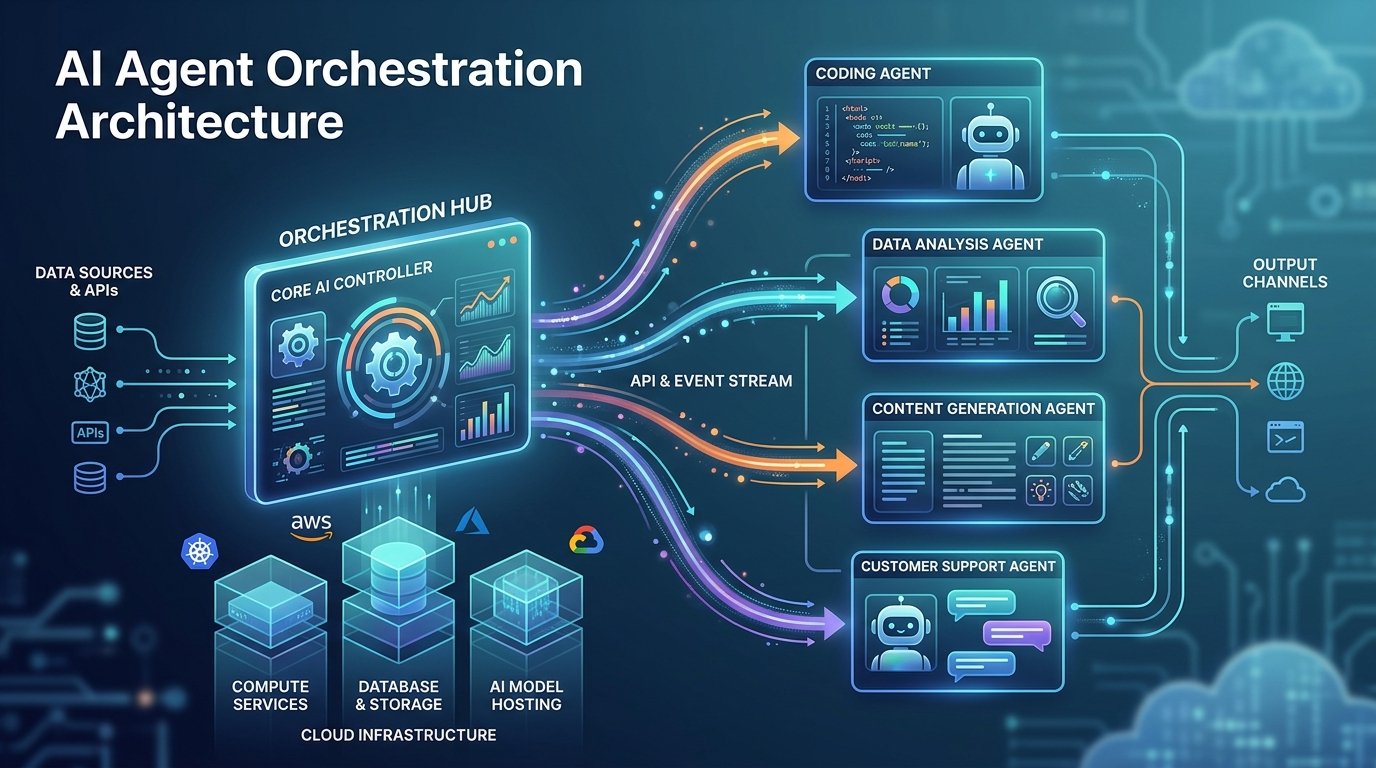
Businesses in 2026 are finding that AI agent orchestration platforms aren’t just helpful—they’re game-changers. These tools act like air traffic control for autonomous AI systems, keeping everything running smoothly even when dozens of specialized agents are working simultaneously. What started as a niche solution has quickly become the backbone of enterprise AI strategies.
Here’s the thing about AI—it’s easy to manage one system, but try coordinating hundreds. That’s where orchestration platforms shine. They handle the messy work of keeping agents from stepping on each other’s toes while making sure computing power goes where it’s needed most. Suddenly, what seemed impossible becomes manageable.
Let’s break down what these platforms really do, which ones stand out from the crowd, and how to pick the right fit for your business. We’ll look beyond the marketing hype to see what actually matters when you’re evaluating these systems.

What Is AI Agent Orchestration: AI agent orchestration platforms
Imagine trying to conduct an orchestra where every musician speaks a different language. That’s essentially what AI agent orchestration solves. It’s the glue that lets specialized AI systems—each brilliant at their specific task—work together without chaos. The platform acts as translator, traffic cop, and project manager all in one.
These systems don’t just connect agents—they create rules of engagement. They decide who talks to whom, how tasks get divided, and what happens when something goes wrong. And they do it all while keeping an eye on performance metrics most humans would need a PhD to understand.
Under the hood, you’ll typically find three key pieces working together. There’s the brain (control plane), the nervous system (communication protocols), and the logistics team (resource managers). Together, they turn what could be an AI free-for-all into something resembling a well-oiled machine.
Take customer service as an example. One agent detects frustration in a support ticket, another suggests solutions based on past cases, while a third adjusts the customer’s loyalty points—all coordinated behind the scenes. It’s this teamwork that makes AI agents for small business surprisingly effective, even with limited resources.
Why Businesses Need Orchestration Tools
Ever seen two employees accidentally work on the same project? Now imagine that with AI systems burning through cloud computing budgets. Without orchestration, that’s exactly what happens—agents duplicate work, contradict each other, and generally make a mess of things.
The real magic happens when you need to scale. Adding one more agent to a manual system might double your management headaches. With orchestration? It’s like adding another lane to a highway—the platform handles the increased traffic automatically.
Then there’s the money factor. These platforms are like thrifty houseguests—they know exactly how much milk to put in your coffee without wasting a drop. By optimizing resource use, they can slash cloud costs by 20-30% for some businesses. That’s real money back in the budget.
Security teams love them too. Instead of patching fifty different AI systems, you set the rules once at the orchestration level. Every agent inherits those protections, making compliance audits significantly less painful. For industries like healthcare, that’s not just convenient—it’s mandatory.
Here’s the bottom line: companies using these tools deploy AI solutions faster and adapt quicker. In markets where being second means losing, that agility is everything.
Streamlining AI Workflow Automation
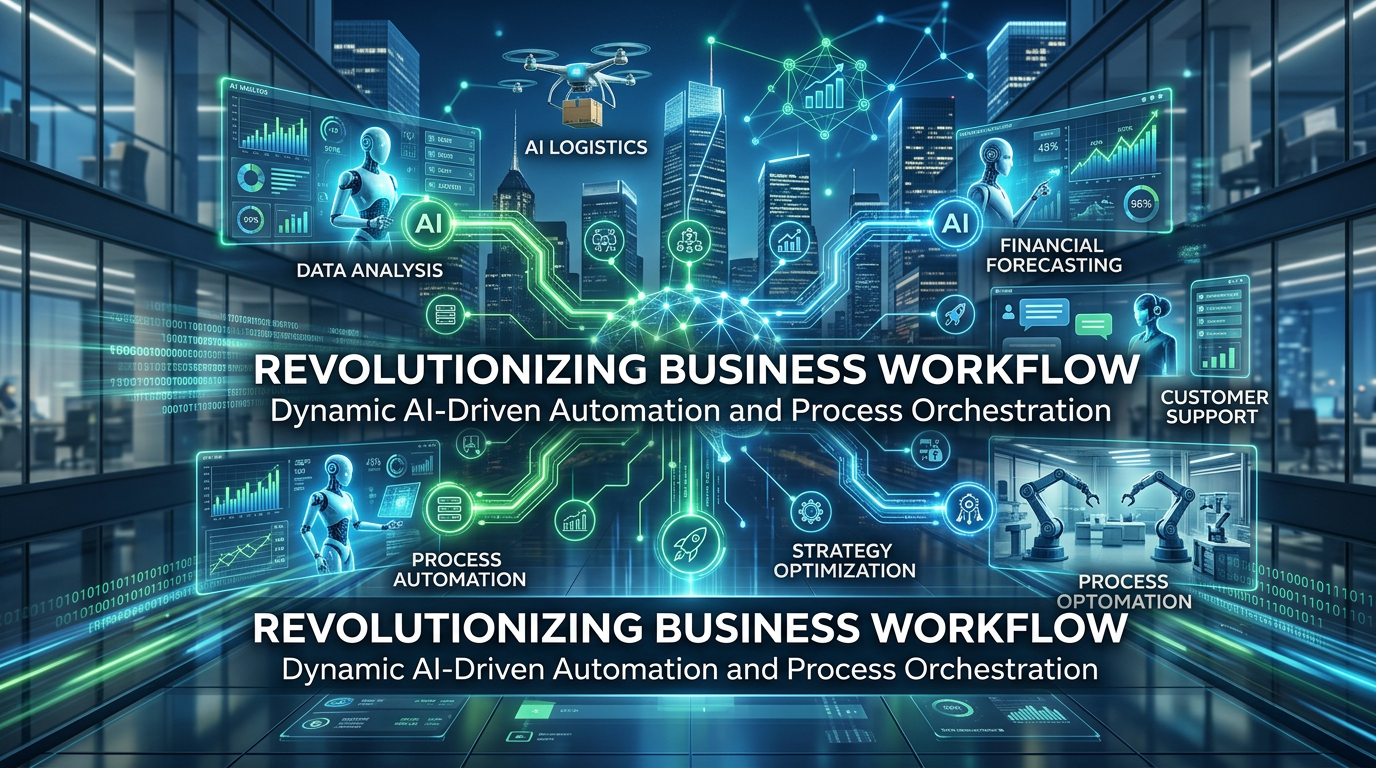
Old-school workflow tools follow scripts. Orchestrated AI? It improvises like a jazz musician. The system doesn’t just follow steps—it rearranges them based on what’s happening right now.
Picture an e-commerce system that changes tactics mid-campaign. One combination of agents handles holiday rushes, another manages backorder situations, and a third kicks in when VIP customers appear. The platform swaps these teams seamlessly, like a basketball coach making substitutions.
Integration is where the rubber meets the road. Modern platforms plug into everything from CRMs to legacy databases, letting AI agents actually do useful work instead of operating in a bubble. It’s the same principle behind why free AI tools in 2026 work better when they connect to your existing apps.
Top 5 Orchestration Platforms Compared
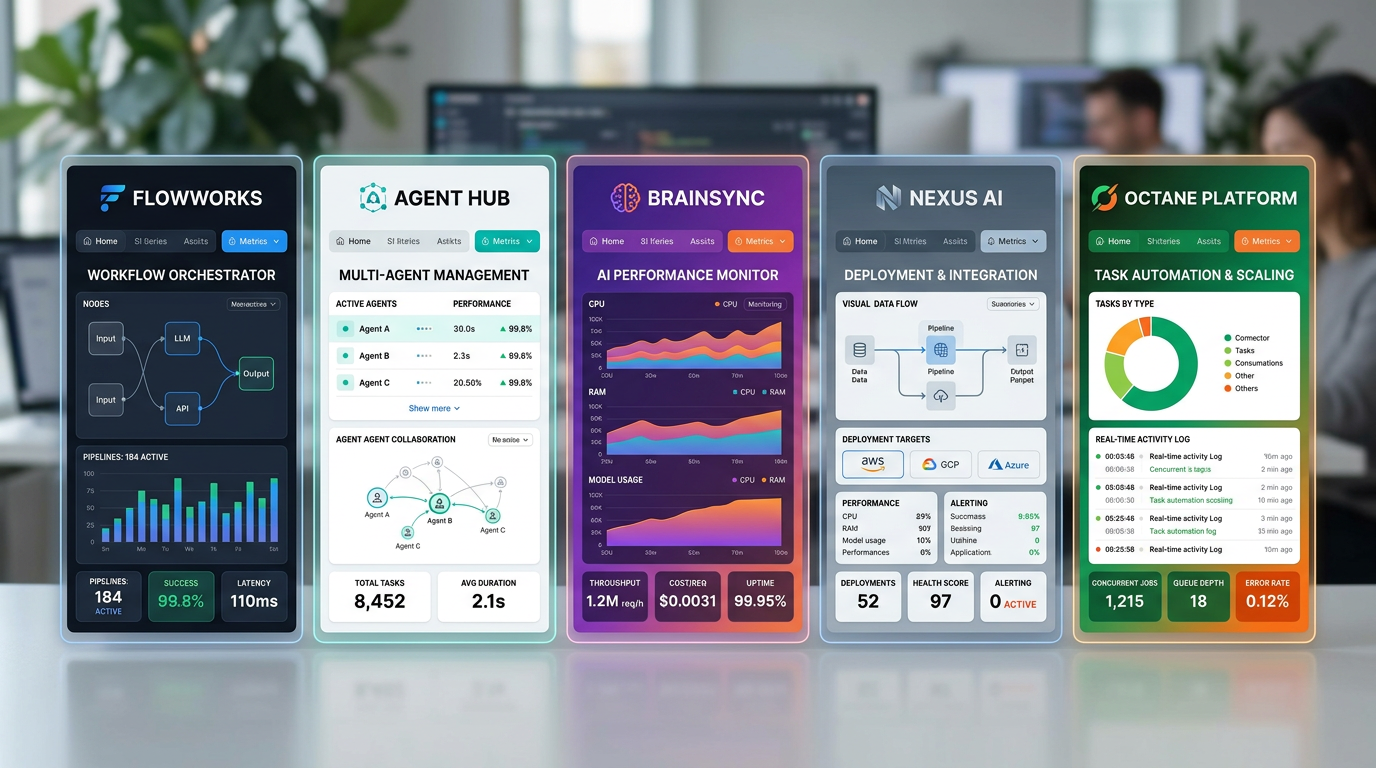
The orchestration platform market has settled into clear leaders by 2026, each with distinct personalities. Here’s the no-nonsense breakdown:
1. Microsoft AutoGen Studio is the corporate heavyweight. If your company lives in Azure, this is your golden ticket. The visual interface lets non-coders build complex workflows, but be ready for some sticker shock on the enterprise plans.
2. LangGraph by LangChain is the hacker’s choice. Open-source, endlessly customizable, and loved by developers who want to get under the hood. Just don’t expect much hand-holding—you’ll need serious technical chops.
3. CrewAI plays a different game. It organizes agents like a sports team, assigning clear roles and responsibilities. Perfect for businesses that want results yesterday without becoming AI experts. The trade-off? It might feel limiting for complex needs.
4. Vertex AI Agent Builder is Google’s all-in-one package. If you’re already using Gemini models and Google Cloud, the integration is seamless. The scaling is impressive, but try using it with AWS and you’ll hit walls fast.
5. Amazon Bedrock Agents follows the classic AWS playbook—pay for what you use, scale as needed. The AWS ecosystem integration is brilliant, but you’re signing up for the Amazon universe, like it or not.
Performance and Scalability Considerations
AutoGen handles scale like no other—thousands of agents without breaking a sweat. LangGraph? It’s the sports car—fast and flexible if you know how to drive it. CrewAI prioritizes quick responses for smaller teams, like a nimble startup.
Scaling brings tough choices. Cloud platforms grow automatically (and bill you accordingly). Self-hosted options give control but demand serious infrastructure skills. There’s no free lunch—just trade-offs that depend on your team’s appetite for complexity.
Key Features to Look For
Not all orchestration features matter equally. Focus on what actually moves the needle for your use case. Here’s what separates the contenders from the pretenders:
Agent lifecycle management should be dead simple. If creating, updating, or retiring agents feels like rocket science, walk away. Good platforms let you roll back bad updates with one click—because mistakes happen.
Communication flexibility is huge. Can agents chat directly? Subscribe to updates? React to events? The more options, the better they’ll mimic how your actual business operates.
Observability isn’t just nice-to-have—it’s essential. You need logs that actually explain what went wrong, dashboards that show what’s happening now, and tools to trace bottlenecks. If you’re flying blind, you’re failing.
Security can’t be an afterthought. Look for platforms that bake in access controls, encryption, and audit trails. Bonus points if they speak compliance officer—HIPAA, GDPR, and all those other acronyms that keep legal happy.
Integration and Extensibility Options
APIs are table stakes—if a platform can’t connect to your tools, it’s useless. Pre-built connectors for common apps save months of work. Webhook support? That’s how you make the system react to real-world events, not just internal triggers.
Extensibility determines whether you’ll outgrow the platform. Can developers add custom features without rewriting core code? Are there SDKs for multiple languages? The easier it is to adapt, the longer the solution will last.
Model agnosticism protects your future options. Lock-in to one AI provider is risky—today’s leader could be tomorrow’s also-ran. Smart platforms let you mix and match models like building blocks.
User Experience and Accessibility
The best platforms speak two languages: drag-and-drop for business users, code for developers. If it only does one well, half your team will struggle.
Documentation tells you everything about a vendor’s attitude. Is it clear? Complete? Regularly updated? Bad docs usually mean painful implementations. And check the community forums—active users are the best support network money can’t buy.
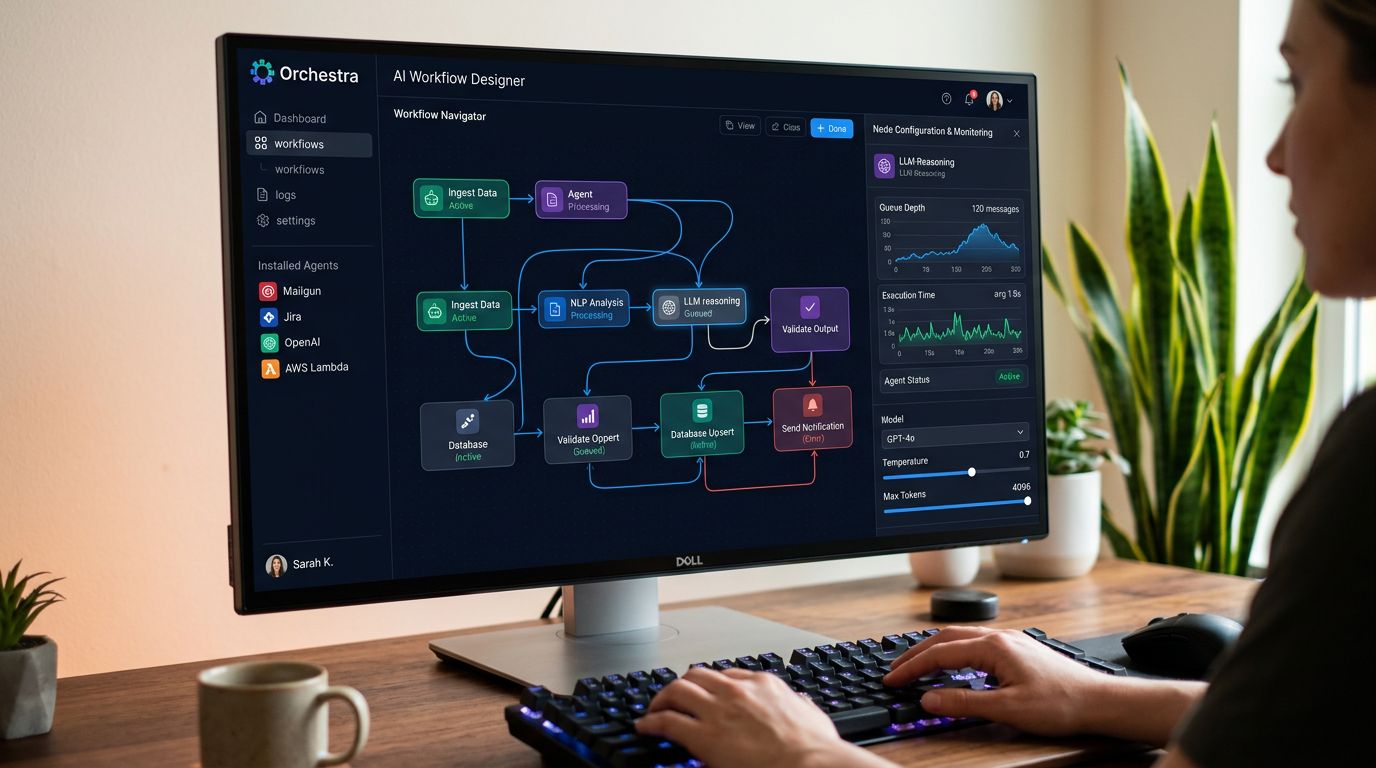
How to Choose the Right Platform
Picking an orchestration platform isn’t like choosing a new phone—you can’t just return it if you don’t like it. That’s why smart businesses take their time evaluating options against real needs.
Start by mapping your AI ambitions. How many agents today? Next year? What problems are you actually trying to solve? Be brutally honest about your team’s skills—there’s no prize for buying tools nobody can use.
Budget talks louder than features. Enterprise platforms cost like enterprise platforms. Open-source saves license fees but burns developer hours. Do the math on total cost—not just today’s price tag.
Technical fit matters more than shiny objects. Will this play nice with your current infrastructure? Where’s your data allowed to live? What systems absolutely must connect? Answer these before falling for clever demos.
Vendors love roadmaps—make them show you one. Are they building what you’ll need in two years? Talk to existing customers (not just references). The platform might be great, but if the company’s shaky, you’re buying a time bomb.
Proof of Concept Best Practices
Never buy an orchestration platform untested. Pick a real project—not some toy demo—and see how it performs under pressure. Define success metrics upfront, or you’ll end up debating opinions instead of data.
Get diverse eyes on the test. Engineers care about performance, but sales teams care about results. Security needs to vet it, and finance should understand the cost model. If everyone hates different parts, that’s useful information.
Document everything—not just whether it worked, but how it failed. Those “workarounds” you discovered? They’re tomorrow’s standard procedures. This paper trail becomes your implementation playbook.
Understanding AI agents vs chatbots helps here. Chatbots converse; agents act. Good orchestration platforms handle both, but you need to know which you’re really buying.
Frequently Asked Questions
What is the difference between AI orchestration and AI automation?
Automation is your dishwasher—it follows fixed steps to clean plates. Orchestration is the restaurant manager coordinating dishwashers, cooks, and waitstaff during dinner rush. One does tasks; the other makes sure all the tasks add up to actual meals served on time.
Can small businesses benefit from AI agent orchestration platforms?
Surprisingly, yes. Platforms like CrewAI have stripped out the enterprise complexity (and price tags). A five-person shop can coordinate customer service bots, inventory alerts, and marketing tools without hiring an AI team. The trick is picking tools that match your scale—no one needs a battleship to cross a pond.
How do orchestration platforms handle AI model updates?
Carefully. They test new models in parallel with old ones (like staging a play before opening night). If the new version flops, they switch back instantly. Some even track which agents use which models—imagine version control for AI brains.
What security risks do orchestration platforms introduce?
They’re juicy targets—all your AI eggs in one basket. But good platforms encrypt everything, segment networks, and log every touch. The real risk? Human error. Give someone too much access, and you’ve defeated all those fancy protections.
How long does it typically take to implement an orchestration platform?
Simple setups might take a month. Complex ones? A year isn’t unheard of. It’s like asking how long home renovations take—depends whether you’re painting a room or rewiring the house. Start small, prove value, then expand.
Conclusion
AI agent orchestration platforms in 2026 aren’t luxury items—they’re the difference between AI that works and AI that transforms. These tools turn chaotic collections of agents into coordinated teams that actually move business needles.
The market offers something for everyone: Microsoft for enterprises, LangGraph for coders, CrewAI for pragmatists. Cloud giants Google and Amazon bring their usual strengths (and lock-in risks). There’s no “best”—only what fits your specific needs.
Choosing wisely means looking beyond features to consider costs, skills, and future plans. A rushed decision here hurts more than most. But get it right, and you’ll wonder how you ever managed AI without orchestration.
Here’s the reality: businesses that master these tools today will outmaneuver competitors tomorrow. The first step? Understanding that orchestration isn’t about controlling AI—it’s about unleashing its full potential.
















No Comments