



The rise of AI agents for content creation is reshaping how writers, marketers, and businesses approach digital content in 2026. Gone are the days of constantly prompting simple AI tools; these autonomous systems can plan, research, write, and polish content with barely a nudge from humans. As a result, content teams are seeing massive boosts in productivity without sacrificing quality.
This leap from basic AI writing helpers to fully independent content agents marks a game-changing shift in how content gets made. These smart systems grasp context, stick to your brand voice, and handle entire content calendars on their own. Plus, they slot seamlessly into your current workflows and adapt to your specific needs over time.

What Are AI Content Creation Agents: AI agents for content creation
AI content creation agents are self-driving software systems that tackle content production end-to-end. Unlike traditional AI writing tools, these agents don’t need constant hand-holding once they’re set up. They can research topics, draft outlines, write articles, fact-check, and even schedule posts without human intervention.
These systems combine advanced language models with specialized workflows and memory systems that learn from past interactions. They get to know your brand, audience, and goals during initial training, making them smarter with every use.
Today’s agents typically come with a few core features. They include research tools that pull information from reliable sources, planning algorithms that organize content logically, writing engines that produce polished text, and quality checks that refine the final product before it goes live.
Since 2024, the tech behind these agents has come a long way. The 2026 versions can handle text, images, and data all at once, letting them create full content packages—articles, infographics, social posts—all in sync.
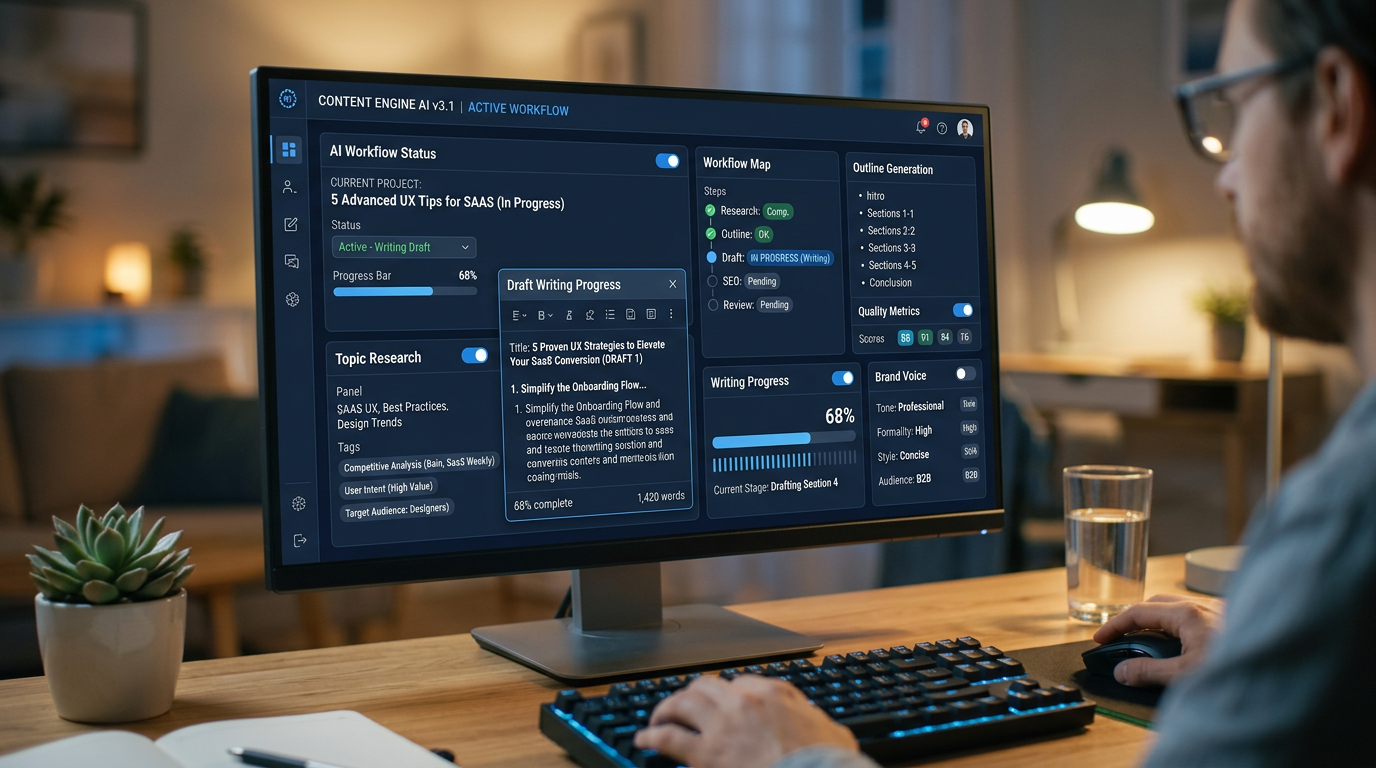
Top AI Agents for Writers in 2026
The market for AI content creation agents has exploded this year, with several platforms rising to the top. Each offers unique features tailored to different needs, so understanding your options is key to finding the right fit.
Jasper Agents leads the pack with its all-in-one platform. It’s great at keeping your brand voice consistent across various content types, integrates with major CMS tools, and offers solid analytics to track performance.
Writer.com Enterprise Agents is built for large organizations needing strict compliance and governance. It knows industry-specific lingo, flags potential issues before publishing, and handles multiple languages effortlessly.
ContentBot Autonomous focuses on SEO-optimized content. It researches keywords, analyzes competitors, and structures articles for maximum search visibility. It’s a go-to for teams aiming to boost organic growth.
Narrato AI Agents shines in workflow automation. It manages calendars, assigns tasks, and tracks progress automatically, making it ideal for coordinating complex content projects.
Writesonic Chatsonic Agents excels at real-time content creation, incorporating breaking news and trending topics instantly. It’s perfect for conversational formats like interviews and Q&A pieces.
For more insights into the AI landscape, check out our guide to the best free AI tools in 2026. These platforms are just the tip of the iceberg when it comes to what autonomous content agents can do.
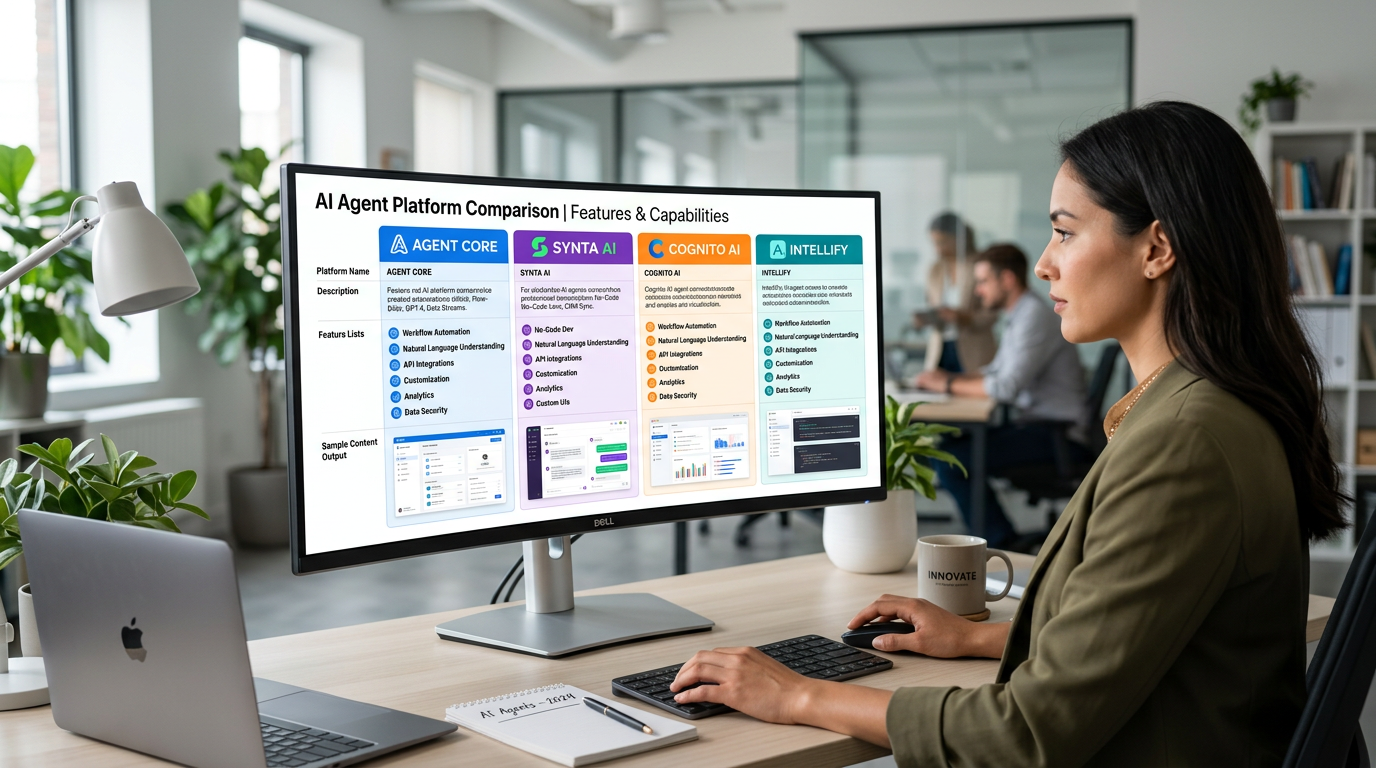
How AI Agents Differ from Traditional AI Writers
Knowing the difference between AI agents and traditional AI writers is key to making smart tech choices. Traditional tools are like fancy autocomplete—they respond to prompts but need constant guidance. They can’t work independently.
Autonomous agents, on the other hand, operate on their own once you set their goals. They make decisions about research, structure, and optimization without needing your input. This autonomy changes the game for content production, making it more scalable and cost-effective.
Traditional tools don’t remember context between tasks, so you have to start fresh each time. Agents, however, keep track of your brand, audience, and past work, ensuring consistency and building on previous themes automatically.
Another big difference is decision-making. Traditional tools wait for instructions, while agents anticipate needs, spot opportunities, and suggest ideas proactively. They monitor performance and adjust strategies based on what works, acting like an experienced content strategist.
Integration is another area where agents stand out. Basic AI writers often work in isolation, needing manual data transfers. Agents, though, connect directly with your entire content stack—analytics platforms, CMS tools, social schedulers—automating the whole process.
The learning curve is different too. Traditional tools demand expertise in prompt engineering, while agents adapt to your style naturally. This makes advanced AI accessible to non-technical users.
Similar distinctions exist between AI agents and chatbots, where autonomy and decision-making separate advanced systems from basic conversational interfaces.
Setting Up Your First Content Creation Agent
Getting started with an AI content creation agent takes some planning, but the payoff is worth it. Here’s how to set one up effectively.
Step 1: Define Your Content Objectives
Start by clarifying your goals. Who’s your audience? What types of content do you need? How often will you publish? Document your brand voice, tone, and style preferences to guide the agent’s setup.
Step 2: Select the Right Platform
Pick an agent that aligns with your needs. Consider factors like content volume, integrations, team size, and budget. Most platforms offer trials, so test a few before committing.
Step 3: Configure Brand Parameters
Upload examples of your best content to train the agent. Provide style guides, brand guidelines, and any terms to avoid. The more detail you give upfront, the better the agent performs.
Step 4: Establish Workflows
Map out your content process from idea to publication. Set where the agent handles tasks autonomously and where human review is needed. Define escalation steps for tricky content.
Step 5: Integrate Your Tech Stack
Connect the agent to your CMS, analytics, and research tools. Test integrations thoroughly to ensure smooth operation. This eliminates manual data transfers and unlocks true automation.
Step 6: Train and Refine
Generate test content and review it carefully. Give feedback on tone, accuracy, and structure. Agents learn from corrections, so iterate until the output meets your standards.
For broader AI solutions, explore AI agent orchestration platforms that coordinate multiple agents across different business functions.

Best Practices for AI Agent Content Workflows
To get the most out of AI content agents, follow these proven strategies.
Maintain Human Oversight for Strategic Decisions
Let agents handle execution, but keep humans in charge of strategy. Review calendars, approve major shifts, and assess performance trends yourself.
Implement Tiered Review Processes
Not all content needs the same level of scrutiny. Set review tiers based on importance and risk. Routine posts might publish with minimal review, while high-stakes pieces get thorough edits.
Feed Performance Data Back to Agents
Connect analytics platforms to your agents so they can learn what works. This creates a cycle where content quality and engagement improve automatically.
Maintain Content Diversity
Don’t let agents get stuck in a rut. Introduce new formats, topics, and styles periodically to keep your content fresh and engaging.
Document Your Agent’s Evolution
Track how your agent improves over time. Note which corrections make a difference and which don’t. This helps you understand its strengths and limitations.
Establish Clear Quality Benchmarks
Set measurable standards for agent-generated content—readability scores, SEO metrics, factual accuracy, and brand voice consistency. Regularly audit output against these benchmarks.
Create Feedback Loops
Develop systems for capturing and applying feedback, both from editors and audiences. This accelerates agent learning and keeps content aligned with audience needs.
Plan for Content Repurposing
Configure agents to create modular content that can be reused across channels—articles into social posts, newsletters, or podcasts. This maximizes value and maintains consistency.
Small businesses can level up with insights from our guide on AI agents for small business.
Organize Your Content Assets Systematically
As agent-generated content grows, organization becomes crucial. Implement robust digital asset management practices from the start. For tips, explore strategies for organizing digital files.

Measuring ROI from Content Creation Agents
To justify your investment in AI agents, track these key metrics.
Production Velocity Metrics
Measure how much content you produce before and after agent implementation. Most teams see a 300-500% increase in volume while maintaining quality.
Cost Per Piece Analysis
Calculate total production costs—software, human oversight, editing—and divide by the number of pieces. Compare this to traditional methods to see savings.
Quality Consistency Scores
Audit agent-generated content for factual accuracy, brand voice, readability, and SEO. Track these scores over time to ensure quality stays high as volume grows.
Engagement and Performance Metrics
Monitor how agent content performs against human-created pieces. Track time on page, social shares, conversions, and search rankings. Often, agent content outperforms human work because it applies best practices consistently.
Team Productivity Indicators
Assess how agent adoption affects your team. Are they spending more time on strategy and less on repetitive tasks? Higher productivity and job satisfaction are common benefits.
Future Trends in Agentic Content Creation
The field of autonomous content agents is evolving fast. Here’s what’s on the horizon.
Multimodal Content Generation
Next-gen agents will create text, images, video, and audio simultaneously, transforming content into multimedia experiences. Learn more about multimodal AI models.
Real-Time Personalization
Emerging agents will tailor content dynamically for individual readers based on behavior and preferences, boosting engagement and conversions.
Collaborative Agent Networks
Future systems will feature specialized agents working together—one handles research, another writes, and a third manages distribution. This collaboration enhances quality and efficiency.
Predictive Content Planning
Advanced agents will anticipate content needs by analyzing trends, competitor activity, and audience behavior, keeping your strategy ahead of the curve.
Enhanced Fact-Checking and Verification
Next-gen agents will verify claims against authoritative sources automatically, addressing concerns about AI-generated inaccuracies while maintaining speed.

Overcoming Common Implementation Challenges
Adopting AI agents comes with hurdles, but most are manageable with the right approach.
Challenge: Inconsistent Brand Voice
Agents might miss subtle brand nuances at first. Solution: Provide plenty of sample content and detailed style guides during training.
Challenge: Factual Accuracy Concerns
Agents sometimes include outdated or incorrect information. Solution: Set up verification workflows and restrict agents from making claims outside their knowledge base without human review.
Challenge: Integration Complexity
Connecting agents to existing systems can be tricky. Solution: Start with platforms offering pre-built integrations and budget for technical support if needed.
Challenge: Team Resistance
Some creators fear job displacement. Solution: Position agents as tools that eliminate tedious tasks, freeing up time for more creative and strategic work.
Challenge: Unrealistic Expectations
Expecting perfection right away leads to disappointment. Solution: Plan for 4-6 weeks of training and refinement, celebrating incremental improvements.
Frequently Asked Questions
How much do AI content creation agents cost in 2026?
Prices vary widely. Entry-level platforms start around $200-$400/month, while enterprise solutions range from $2,000-$10,000/month. Most offer tiered pricing based on volume, users, and features.
Can AI agents maintain consistent quality across large content volumes?
Absolutely. Properly configured agents deliver consistent quality, applying the same standards to every piece. In fact, quality often improves over time as agents learn from feedback and performance data.
Do I need technical skills to implement content creation agents?
Not necessarily. Most platforms are designed for non-technical users. Basic implementation requires content expertise, not coding skills. Complex integrations might need technical support, though.
How do content creation agents handle SEO optimization?
Advanced agents incorporate SEO throughout the process—researching keywords, analyzing search intent, and optimizing structure, headings, and metadata. Many connect directly to SEO tools for real-time data.
What happens to my content team when we implement AI agents?
Teams shift from routine content production to strategic planning, creative direction, and complex storytelling. This boosts job satisfaction as team members focus on higher-value work.
















No Comments